
Block "337" not found
How can the progression of myopia be slowed?
Knowing the causes and symptoms of myopia can help reduce the likelihood of developing it in children or slow its progression over time. There are steps you can take to maintain eye health and prevent the condition from worsening.

Step 1: Watch for Early Signs
The earlier myopia is detected, the more effective it can be treated. Pay attention to your child’s behavior, such as holding things too close when reading or having difficulty seeing distant objects clearly.

Step 2: Get Regular Eye Examinations
Young children may not realize they have a vision problem, making regular eye exams with an optician essential. Regular eye exams can detect any changes in vision and prompt appropriate action.

Step 3: Reduce Eye Strain During Near Work
Reading, studying, and using digital devices are essential for children and teens, but short breaks should be taken every 20 minutes to give the eye muscles a chance to relax. It’s also recommended to maintain a forearm’s length distance between your eyes and the book or screen to reduce eye strain.

Step 4: Limit Screen Time
Excessive use of smart devices is linked to increased rates of nearsightedness, along with eye strain and dryness. It is recommended that screen time not exceed two hours per day outside of school hours, especially for children and adolescents.

Step 5: Promote Outdoor Activities
Research indicates that spending more time outdoors helps reduce the risk of developing myopia. It’s recommended that children spend at least 90 minutes a day outdoors, whether walking or playing, while taking precautions such as wearing sunglasses and hats to protect their eyes from UV rays.

Step 6: Consult an optician about treatment options
Regular glasses and contact lenses help improve vision, but they don’t prevent the progression of myopia. Specialized prescription lenses and glasses designed specifically for children and adolescents are available to help reduce the progression of the condition, and atropine eye drops have been shown to be effective in slowing visual deterioration. Consult an optician to determine the most appropriate treatment for your child.
Learn about myopia control options
Myopia control aims to slow the progression of myopia in children and adolescents, helping to reduce the final degree of myopia compared to what it would have been without treatment.
Controlling myopia is not only important for reducing the need for frequent eyeglass changes during childhood, but it also helps reduce the risk of future vision problems that may arise as myopia progresses.
Treatment options include specially designed eyeglasses, certain contact lenses, or orthokeratology (Ortho-K) lenses, along with atropine drops, which have been shown to be effective in slowing the progression of the condition.
No single treatment option delivers better results than another, as all have been shown to have a similar effect in reducing the progression of myopia. However, some treatments may be less effective, which will be explained later.
Therefore, choosing the best treatment for your child depends on several factors, such as their vision, eye health, activities, hobbies, and what suits their family's circumstances and lifestyle.
Options for Controlling Myopia in Children
Myopia in children can worsen over time, but there are several ways to control its progression. These methods include special eyeglasses, specialized contact lenses, orthokeratology (Ortho-K) lenses, and atropine drops. Each method has its own advantages and scientific recommendations based on recent studies.

Prescription glasses to control myopia
- Regular eyeglasses with monofocal lenses do not slow the progression of myopia, but some specialized designs do.
- العدسات المبتكرة بتقنية “العدسات الصغيرة” (Lenslets) تحتوي على العديد من العدسات المصغرة عبر سطح العدسة، وأثبتت فعاليتها في إبطاء تقدم قصر النظر.
- التصاميم التي تعتمد على توزيع الضوء (Diffusion) أظهرت أيضًا نتائج جيدة.
- العدسات ثنائية البؤرة (Bifocals) يمكن أن تكون مفيدة ولكن بشكل معتدل.
- العدسات التقدمية (Progressive lenses) تأثيرها محدود مقارنة بالخيارات الأخرى.

Soft contact lenses for myopia control
- Conventional monofocal contact lenses do not affect the progression of myopia, but some special designs help slow it.
- They are worn during the day and can be either daily disposable or reusable for up to a month.
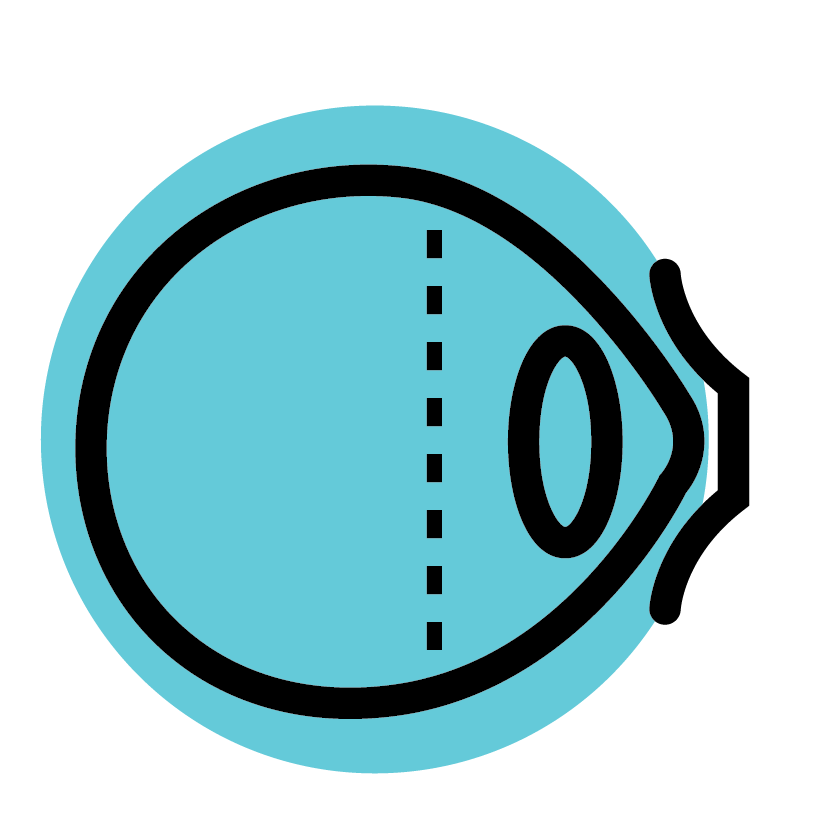
عدسات تقويم القرنية (Ortho-K)
- They are worn while sleeping and removed in the morning, allowing clear vision during the day without the need for glasses or other contact lenses.
- They require more frequent fitting appointments than other treatments, but they offer significant benefits for water sports and active activities.

Atropine drops to control myopia
- It is used at low concentrations (0.01% - 0.05%) to reduce the progression of myopia, with fewer side effects compared to the higher concentrations used in other medical applications.
- It may cause some side effects, such as blurred near vision or increased light sensitivity, which can be managed with additional features in eyeglasses.
- It does not replace glasses or contact lenses; it only slows the progression of myopia.
Controlling myopia in children requires choosing the appropriate approach based on the child's age, prescription, and lifestyle.
- Special prescription glasses are an easy and safe option, but they require commitment to wear them throughout the day.
- Soft contact lenses are a comfortable option, but they require regular monitoring to ensure safety and effectiveness.
- عدسات Ortho-K توفر استقلالية عن النظارات والعدسات خلال النهار، لكنها تحتاج إلى متابعة دقيقة أثناء الاستخدام.
- Atropine eye drops provide a pharmacological solution, but they do not replace the need for vision correction with glasses or contact lenses.