

 Ar
ArMyopia Control Options
Options for Controlling Myopia in Children
Myopia in children can worsen over time, but there are several ways to control its progression. These methods include special eyeglasses, specialized contact lenses, orthokeratology (Ortho-K) lenses, and atropine drops. Each method has its own advantages and scientific recommendations based on recent studies.

Prescription glasses to control myopia
- Regular eyeglasses with monofocal lenses do not slow the progression of myopia, but some specialized designs do.
- Innovative “lenslet” lenses contain multiple miniature lenses across the lens surface and have proven effective in slowing the progression of myopia.
- Diffusion designs have also shown good results.
- Bifocals can be beneficial, but only moderately.
- Progressive lenses have a limited effect compared to other options.

Soft contact lenses for myopia control
- Conventional monofocal contact lenses do not affect the progression of myopia, but some special designs help slow it.
- They are worn during the day and can be either daily disposable or reusable for up to a month.
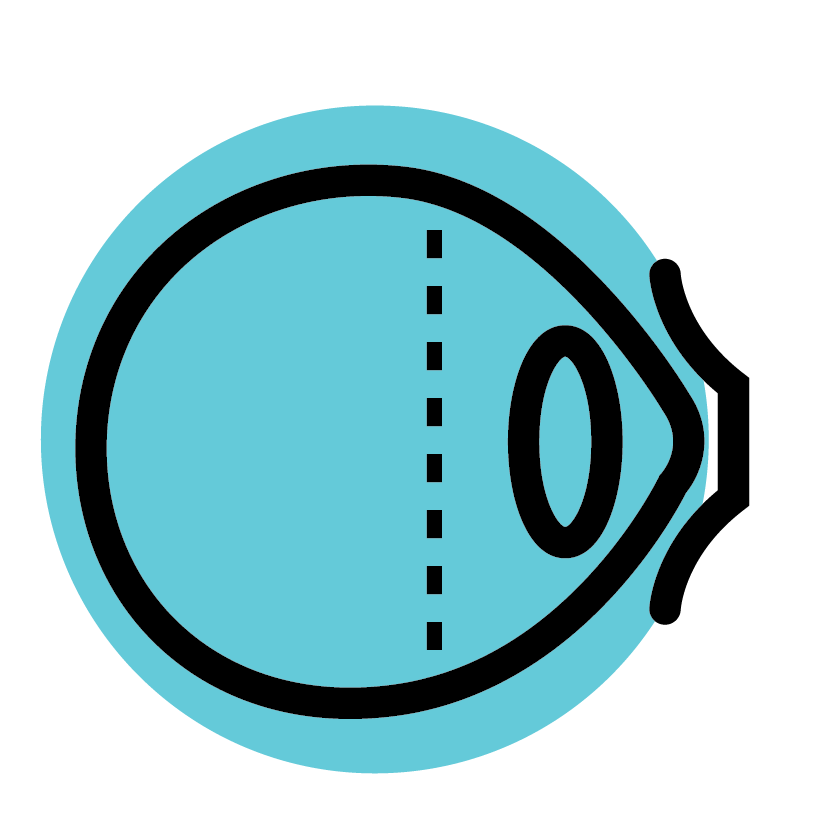
Ortho-K lenses
- They are worn while sleeping and removed in the morning, allowing clear vision during the day without the need for glasses or other contact lenses.
- They require more frequent fitting appointments than other treatments, but they offer significant benefits for water sports and active activities.

Atropine drops to control myopia
- It is used at low concentrations (0.01% – 0.05%) to reduce the progression of myopia, with fewer side effects compared to the higher concentrations used in other medical applications.
- It may cause some side effects, such as blurred near vision or increased light sensitivity, which can be managed with additional features in eyeglasses.
- It does not replace glasses or contact lenses; it only slows the progression of myopia.
Controlling myopia in children requires choosing the appropriate approach based on the child’s age, prescription, and lifestyle.
- Special prescription glasses are an easy and safe option, but they require commitment to wear them throughout the day.
- Soft contact lenses are a comfortable option, but they require regular monitoring to ensure safety and effectiveness.
- Ortho-K lenses provide independence from glasses and contact lenses during the day, but they require careful monitoring during use.
- Atropine eye drops provide a pharmacological solution, but they do not replace the need for vision correction with glasses or contact lenses.